
HEALTH INNOVATION
The Digital Pulse of Medical Imaging: Evolution of RIS
Published on March 21, 2026
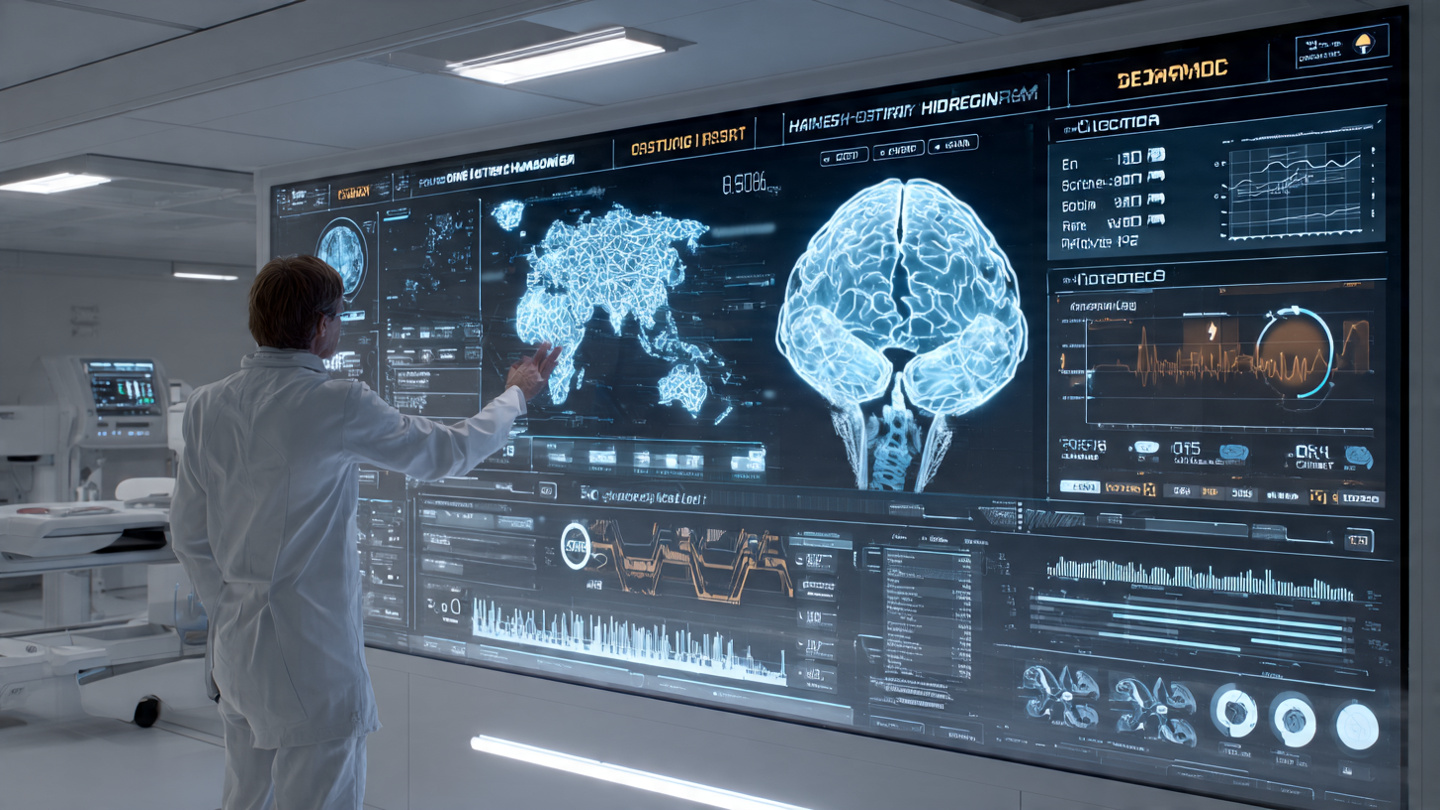
In the modern era of "Smart Hospitals," the Radiology Information System (RIS) has evolved from a simple digital filing cabinet into a sophisticated workflow engine. It is the central nervous system that ensures the right patient gets the right scan at the right time.
Beyond Data Entry: The Intelligent Workflow
Modern RIS solutions are no longer static. They now incorporate Artificial Intelligence (AI) and Cloud Computing to optimize how a radiology department functions:
Smart Scheduling: AI algorithms analyze historical data to predict "no-shows" or suggest the best time slots for complex procedures like MRI or PET scans.
Voice Recognition Integration: Radiologists can dictate reports directly into the RIS, which uses Natural Language Processing (NLP) to convert speech to text with medical precision.
Interoperability: Through standards like HL7 and DICOM, the RIS communicates seamlessly with the Electronic Health Record (EHR), ensuring a patient's imaging history is visible to their primary doctor instantly.
The "Paperless" Revolution
The primary goal of a high-end RIS is to achieve a "Seamless Patient Journey":
1.Check-in: Automated kiosks or mobile apps linked to the RIS.
2.Procedure: The technologist views the RIS worklist on a tablet by the X-ray machine.
3.Diagnosis: The radiologist pulls up the RIS report template alongside the PACS images.
4.Distribution: The final report is automatically pushed to the patient's portal and the referring physician.
Why RIS Matters for the Future
As healthcare moves towards Value-Based Care, the RIS provides the "Big Data" needed to measure performance. Hospital administrators can track "Turnaround Time" (TAT) and "Equipment Utilization," leading to better management and, ultimately, better patient outcomes.