
HEALTH INNOVATION
The Intelligence Revolution: AI in Modern Radiology
Published on March 21, 2026
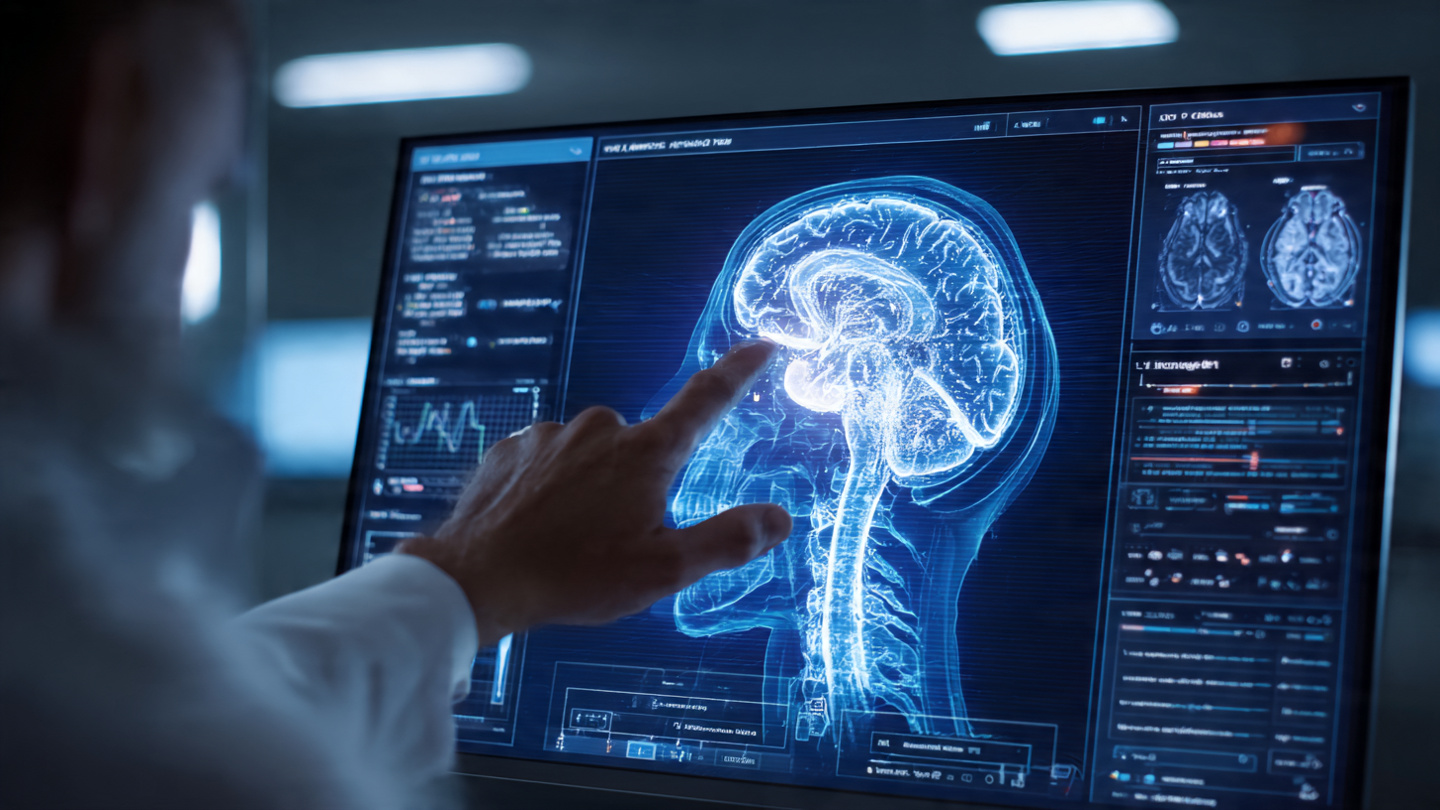
Artificial Intelligence is no longer a futuristic concept in healthcare; it is a clinical reality. In the field of Radiology, AI acts as a "second pair of eyes" for radiologists, helping to manage the increasing volume of medical imaging data with unprecedented speed and precision.
1. Computer-Aided Detection and Diagnosis (CAD)
The most prominent role of AI is in identifying abnormalities that might be too subtle for the human eye.
Early Detection: AI algorithms can spot tiny lung nodules or early-stage breast cancer in mammograms far earlier than traditional methods.
Prioritization (Triage): AI can scan a massive "worklist" of X-rays and instantly flag a potential brain bleed or collapsed lung, moving that specific patient to the top of the radiologist’s queue for immediate review.
2. Image Enhancement and Reconstruction
AI doesn't just look at images; it helps create better ones.
Noise Reduction: Machine learning models can take "noisy" or grainy images from low-dose CT scans and reconstruct them into crystal-clear, high-definition visuals.
Faster Scans: AI can predict the missing data in an MRI scan, allowing the machine to finish the scan in half the time without losing diagnostic quality. This is a huge win for claustrophobic patients.
3. Quantitative Analysis (Radiomics)
Humans are great at qualitative assessment (e.g., "the tumor looks bigger"), but AI is superior at quantitative measurement.
Precision Tracking: AI can calculate the exact volume of a tumor down to the millimeter and track its growth or shrinkage over time with 100% consistency.
Organ Segmentation: AI can instantly "mask" or outline complex organs like the heart or liver, saving radiologists hours of manual tracing.
4. Workflow Optimization (The AI-RIS Connection)
Beyond the pixels, AI integrates with the Radiology Information System (RIS) to:
Automate repetitive reporting tasks.
Predict equipment failure before it happens.
Analyze patient history to suggest which imaging protocol (e.g., CT with or without contrast) is safest for that specific individual.